Energy‑Efficient, Sustainable Housing in Victoria: What’s Actually Possible Now

Victoria isn’t “getting into” energy‑efficient housing. It’s already there, and the laggards are the ones still pretending a leaky timber box with a token heat pump counts as modern.

If you’re building, renovating, or even just trying to make sense of your power bills, the baseline has shifted: tighter envelopes, higher insulation levels, smarter shading, and solar readiness aren’t boutique upgrades anymore. They’re the new normal, pushed along by policy, economics, and, quietly, consumer expectations.

One line that matters: comfort is the new luxury.


 The new baseline (and why your house feels different)

Walk into a well-built newer Victorian home on a cold day and you notice it fast. No drafts skimming your ankles. No icy radiative chill coming off the windows. The heating doesn’t have to “blast” to catch up.

That’s envelope performance in action: insulation + airtightness + glazing + detailing. It’s also why many energy-efficient sustainable housing specialists focus on the building fabric first, before recommending more complex mechanical upgrades.

Technically speaking, improving the building fabric reduces space conditioning loads at the source, which is the only kind of efficiency that doesn’t get undermined by behaviour, appliance choices, or future energy prices. You can swap heaters later. You can’t easily rebuild your walls.

Now, this won’t apply to everyone, but in my experience the biggest leap for most Victorian homes isn’t a fancier system, it’s stopping the uncontrolled air movement and fixing insulation continuity.


 Hot take: If your envelope is mediocre, solar is just coping

Yes, rooftop PV helps. It’s great. Put it on.

But if the home bleeds heat in winter and cooks itself in summer, you’re spending money generating electricity to fight problems you built into the structure. That’s backwards.

You want a house that needs less energy, then you electrify it, then you add renewables and storage to suit. In that order (most of the time).


 Passive solar: free heat, if you don’t mess it up

Passive solar is one of those ideas that sounds like a hippie throwback until you run the numbers.

Get orientation, glazing placement, and shading right and you can materially reduce heating demand without adding a single moving part. The trick is that passive solar is not “big windows everywhere.” It’s controlled gains.

A commonly cited figure: well-oriented glazing and shading can cut space heating demand by up to ~30% in temperate climates when properly designed and paired with appropriate thermal mass (varies widely by design and occupancy).

And yes, you can overdo it. I’ve seen beautiful north-facing glass that turns a living room into a slow cooker because nobody modelled summer sun angles and the “feature” awning was decorative.


 What tends to work in Victoria

– North-biased living areas (where the site allows it)

– External shading that actually blocks high summer sun

– Enough thermal mass to smooth temperature swings (not necessarily concrete everywhere)

– Windows sized for daylight and controllability, not Instagram

Look, passive design doesn’t replace heating. It reduces how often you need it and how hard it has to work.


 The building envelope: where the real performance lives

This is the specialist-briefing bit.

A high-performing envelope aims to control four things: heat, air, moisture, and solar radiation. Miss one, and the others get harder (and more expensive) to manage.


 Insulation: R-values are only half the story

Installed quality is everything. Gaps, compression, wind-washing, sloppy junctions, these can knock real-world performance down hard.

Thermal bridging is the silent killer. Studs, slab edges, steel lintels, uninsulated junctions: they bypass insulation like a shortcut. Continuous insulation strategies help, but they have to be designed in, not tacked on when the plaster’s already ordered.


 Airtightness: drafts are energy theft

A tighter home generally means lower heating energy and more stable indoor temperatures. But here’s the thing: airtight doesn’t mean “sealed shut.” It means controlled ventilation.

In practice, tighter construction shifts the job of fresh air from “random leaks” to “intentional systems.” That’s where good exhaust design, balanced ventilation, or heat recovery (where justified) comes in.

One useful benchmark from the field: targeted air-sealing can reduce leakage by roughly 40, 60% compared with typical construction, based on blower-door-tested improvements reported across multiple retrofit and new-build programs (results vary by starting condition and workmanship).

If you don’t test, you’re guessing.


 Sealing details that separate pros from amateurs

This is where projects quietly win or lose:

– Continuity of the air barrier at junctions (wall-to-roof, wall-to-slab)

– Penetrations treated like the enemy: plumbing, downlights, exhausts, cable runs

– Durable tapes and gaskets used where they’ll survive heat, dust, and time (cheap tape fails; I’ve watched it happen)

– Moisture-aware assemblies so you don’t trap condensation in the wrong layer

Moisture management isn’t “extra.” It’s what keeps insulation working and mould out of your walls.


 Solar-ready and energy-smart: practical, not futuristic

Solar-ready is a design decision, not a product.

It means roof space that makes sense for PV, minimal shading, appropriate switchboard capacity, and a layout that doesn’t make installers swear under their breath. Add in efficient electrified systems (heat pump space conditioning and hot water) and suddenly the home’s operating costs drop in a way people feel monthly, not abstractly.

The smart-home layer can be useful, but only when it does real work:

– load shifting (hot water heating midday on solar)

– demand response capability

– monitoring that catches faults early

Smart meters and grid integration are heading toward “expected” in new housing stock. Two-way communication isn’t sci-fi, it’s how networks handle distributed generation at scale.


 Storage: not mandatory, sometimes brilliant

Batteries are where the conversation gets messy.

If your tariff, export limits, or outage risk make storage valuable, it can be a strong move. If not, PV + electrification + envelope upgrades might beat PV + battery on payback.

I’m opinionated here: don’t buy storage to impress yourself. Buy it because it solves a specific problem, export caps, evening peak pricing, backup needs, or network constraints.


 Financing and incentives: the boring lever that changes everything

People fixate on upfront cost like it’s the only number that exists. It isn’t.

The more honest way to look at it is total cost of ownership over 10, 20 years: capital + maintenance + energy + replacement cycles. That’s where efficient envelopes, heat pumps, and solar tend to shine, particularly as gas gets less attractive operationally and policy support leans toward electrification.

In Victoria, incentives and financing can show up in a few forms:

– rebates for efficient appliances and hot water systems

– support for insulation and glazing upgrades in targeted programs

– concessional loans or lender products that bundle efficiency into mortgages (availability varies)

– solar and battery programs that come and go depending on funding and eligibility rules

Caveat up front: incentives change. Fast. Treat them like a bonus, not the foundation of the business case.

A concrete reference point on policy direction: the Victorian Government’s Residential Efficiency Scorecard and home energy upgrade guidance give a sense of where standards and consumer info are heading (source: Victorian Government, energy.vic.gov.au).


 Quick-start actions (no fluff)

You don’t need a 70-page report to start making progress. You need a short list and the discipline to execute.

1) Measure something.

Get an energy bill baseline, note comfort issues room-by-room, and if you’re renovating seriously, consider blower-door testing.

2) Stop the big leaks.

Seal obvious penetrations, fix exhaust issues, address underfloor drafts. Cheap wins exist.

3) Prioritise insulation continuity.

Ceiling and underfloor insulation often pay back faster than people expect. Wall upgrades are harder, so do them when you’re opening things up anyway.

4) Electrify the big loads.

Heat pump hot water and efficient space conditioning change the operating cost curve.

5) Make solar easy for future-you.

Even if PV isn’t going in this year, set up the roof, wiring pathways, and board capacity so it’s not a painful retrofit.

Then review quarterly. Not because it’s trendy, because homes are systems, and systems drift.


 One last (slightly unfair) reality check

The limiting factor in Victoria isn’t the technology. It’s workmanship, enforcement, and how quickly the average project team stops treating energy performance as a “nice-to-have.”

When the envelope is right, everything else gets easier. Bills drop. Comfort goes up. Resilience improves. And the house feels… calm. That’s the part people remember.
Thoughtfully Curated Fabrics And Textiles For Every Room

When it comes to creating a space that feels truly personal, nothing compares to the impact of carefully selected fabrics and textiles. Whether you’re redecorating your home or simply refreshing a room, the right materials can transform any space into an inviting, stylish haven. Below are the key benefits of thoughtfully curated fabrics and textiles for every room in your home.

1. Elevate Your Living Room with Luxurious Fabrics

The living room is often the heart of the home, a place where comfort and style should go hand in hand. Choosing the right textiles can instantly elevate the aesthetic of your space while ensuring long-lasting comfort.

  • Cozy Sofas & Statement Cushions: Opt for plush velvets or soft linens for your sofas and cushions. These fabrics not only look elegant but also provide a cozy feel that invites relaxation.
  • Layering for Texture: Layering fabrics in different textures, such as woven throws and silk cushions, adds depth and interest to your living room decor. De Mooiste Muren help to create a harmonious balance, blending function with beauty in every corner of your home.

2. Transform Your Bedroom with Soft, Serene Textiles

The bedroom is your sanctuary, and the right textiles play a crucial role in creating a serene, restful atmosphere. Soft, breathable fabrics are key to ensuring a peaceful retreat where you can unwind.

  • Soft Bedding for Ultimate Comfort: Choose high-quality cotton, linen, or even bamboo fabrics for your bedding. These materials are gentle on the skin and allow for a restful night’s sleep.
  • Textured Rugs and Throws: A well-placed rug or knitted throw can add warmth and texture, making your bedroom feel even more inviting.

3. Add Personality to Your Dining Room with Unique Fabrics

Your dining room is a space where gatherings happen, so it is essential to choose fabrics that blend functionality with style. Carefully selected textiles can make your dining experience feel more special.

  • Stylish Tablecloths and Runners: A fabric tablecloth or runner can instantly add sophistication to your dining table. Consider neutral tones for an elegant touch or vibrant hues to create a lively atmosphere.
  • Comfortable Seat Cushions: For added comfort, consider upholstered dining chairs with luxurious fabrics like chenille or microfiber. Not only do they enhance the overall decor, but they also ensure comfort during long meals.

4. Bring Warmth to Your Bathroom with Plush Towels

Your bathroom should be a place of relaxation, and soft, high-quality towels can contribute to that experience. Select towels in luxurious fabrics that provide both comfort and style.

  • Sumptuous Cotton Towels: Cotton towels are perfect for absorbing moisture while feeling soft against your skin. They come in various styles, from simple solid colors to textured designs.
  • Textured Shower Curtains: A patterned or textured shower curtain can bring a fresh look to your bathroom, creating a cozy, spa-like vibe.

5. Create a Cozy Home Office with Functional Textiles

Your home office deserves the same attention to detail when it comes to fabric choices. Choosing functional yet stylish textiles can help you maintain focus and productivity throughout the day.

  • Ergonomic Chair Covers: Opt for fabrics that provide support and comfort while still complementing your office’s style. Look for breathable and soft materials like cotton or wool blends.
  • Curtains That Control Light: Consider light-filtering curtains made of linen or cotton. They’ll keep your office bright without compromising privacy or blocking natural light.

Thoughtfully curated fabrics and textiles can completely transform the look and feel of any room. By carefully selecting the right materials for your living room, bedroom, dining room, bathroom, and home office, you can create spaces that feel comfortable, stylish, and uniquely yours. With the perfect balance of function and aesthetic, textiles are the key to adding warmth, texture, and personality to your home.

Hillside Homes – Challenges and Beauty in Residential Construction

Hillside homes represent a unique and captivating facet of residential construction. Nestled amidst nature’s undulating landscapes, these homes offer breathtaking views and an opportunity to connect with the beauty of the natural world. However, building on a hillside comes with its own set of challenges that require careful consideration and expertise. One of the primary challenges in hillside construction is the topography itself. The steep slopes and uneven terrain demand innovative engineering solutions to ensure stability and safety. Retaining walls, piers, and deep foundations are often necessary to support the weight of the home and prevent erosion. Additionally, extensive grading and excavation work may be required to create level building pads. These complexities can increase construction costs and timelines significantly. Another challenge is drainage and erosion control. Hillside properties are more susceptible to water runoff, which can lead to soil erosion and destabilize the structure’s foundation.

Proper drainage systems, such as French drains and swales, must be implemented to divert water away from the home. Erosion-control measures like planting native vegetation or installing erosion-control blankets can help preserve the natural beauty of the hillside while protecting the property from potential damage. Hillside homes often face unique zoning and permitting challenges as well. Local regulations may restrict development on steep slopes to protect the environment and neighboring properties. Compliance with these regulations may necessitate adjustments to the design and layout of the home, impacting the overall aesthetics and functionality. Despite these challenges, hillside homes offer a myriad of rewards. Their elevated vantage points provide unparalleled panoramic views of surrounding landscapes, be it lush valleys, rolling hills, or expansive bodies of water. The connection to nature is unparalleled, with each season bringing a new tapestry of colors and textures to enjoy.  Additionally, hillside properties often offer greater privacy, as the natural contours of the land can provide natural barriers between neighbors.

Architects and designers have embraced the challenge of hillside construction, creating homes that seamlessly blend with their surroundings general contractors toronto. Modern hillside homes are often designed to maximize natural light and ventilation while minimizing their environmental footprint. Innovative building materials and construction techniques allow for sustainable and energy-efficient hillside dwellings that harmonize with the environment. In conclusion, hillside homes embody both the challenges and the beauty of residential construction. Building on steep slopes demands careful planning, engineering expertise, and compliance with local regulations to ensure safety and environmental preservation. However, the rewards are well worth the effort, as hillside homes offer unparalleled views, a deep connection to nature, and unique opportunities for innovative architectural design. These homes stand as testaments to human ingenuity and our desire to live in harmony with the natural world.

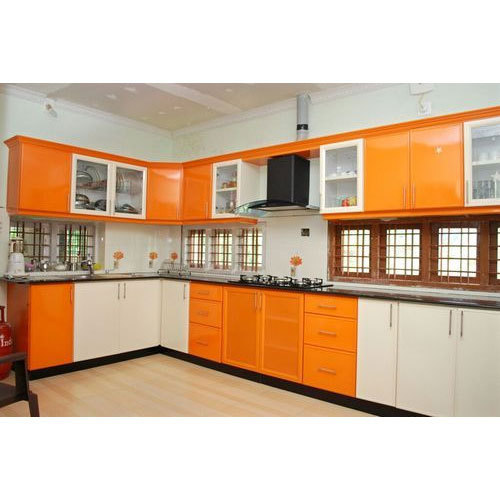
Kitchen Cabinets: Laminate Flooring And Other Options

Redecorating a cooking area is one of the easiest and quickest strategies to raise the value, appearance, and performance of a house. Cooking area flooring and cupboards established the colour for that area. Doing work in a kitchen by having an not comfortable, dangerous, or unattractive ground could make cooking a potentially unsafe chore. Understanding the pros and cons of numerous alternatives guarantees house owners are obtaining the most effective surface for their home at a cost they could afford.

Experts And Disadvantages Of Gemstone

Though natural stone is definitely an pleasing flooring decision, it ought to be installed by pros. Also, the unprocessed substance can be quite high-priced. Natural stone looks stunning, but it is normally not the best choice for kitchens. All it takes is a little bit of h2o on natural stone to generate a possibly hazardous probability of falling. Spilled oils and food items can permanently mark natural stone and lowered things can cause irreparable French fries and crevices. The same is true for porcelain tile flooring surfaces. As beautiful and powerful as rock and tile appear, their hard set up and risk of cracking and cracking causes them to be a under suitable choice for a Build-it-yourself home renovating job.

Personal-Stick Squares

Kitchen Cabinets

Peel and stick linoleum squares and vinyl are making a return as cost-effective resources for Do-it-yourself remodelling. While sheet linoleum will last for a longer time than the peel and stay squares, furthermore, it demands expert installing, considerably growing its cost. Vinyl and linoleum are at the mercy of problems from heavy visitors, staining and spillages, and the edges often curl, posing a tumble threat. Though these peel and stick merchandise may be less costly in the beginning, house owners usually find that the possible lack of sturdiness produces a have to have surfaces changed considerably more quickly than expected, quickly shrinking the cost financial savings. Cooking areas are generally great targeted traffic locations in the home, and personal-adhere vinyl is actually not intended to withstand several years of daily website traffic from kids, household pets, plus more.

Tough Laminate Flooring

Many house owners see exchanging a ground for an frustrating process that can consider too much effort and cash and that needs expertise they merely do not have. Great gloss laminate panels are the exception to that particular principle, designed to be simple to set up without particular instruments or skills. Also, they are designed to provide a beautiful, simple to thoroughly clean look for much beyond many other materials. Laminate flooring is quickly becoming the content preferred by home renovating tasks when you are economical, Eric Leduc, and straightforward to install, even for a beginner. Substantial gloss laminate floors provides superb spot, drip, and burn up opposition and all sorts of at a small fraction of the price of the majority of supplies.