VolRadar Delivers Convenient Tools For Options Performance Analysis

Options performance analysis has become an essential part of modern financial evaluation, helping individuals understand how strategies behave under different conditions. Convenient toolsets now make it easier to review performance patterns, assess risk levels, and identify potential improvements. With digital enhancements such as Edge extension, users can access streamlined analytical support that simplifies complex data interpretation and improves overall efficiency in decision-making processes. This approach supports both beginners and experienced users by offering structured insights, clear visuals, and simplified reporting that reduce uncertainty and enhance confidence.

Overview of Analytical Tools

Modern options analysis tools provide layered dashboards that consolidate key performance indicators into a single view. These systems help users interpret market behavior, track historical outcomes, and compare multiple strategies efficiently. By organizing data into structured formats, they reduce complexity and support clearer insights for decision-making.

  • Real-time monitoring of performance changes
  • Consolidated view of multiple strategies
  • Simplified data interpretation workflows
  • Historical comparison of outcomes
  • Adaptive reporting structures

This structure allows more efficient evaluation and supports consistent analysis habits.

Performance Metrics and Insights

VolRadar Trading

Performance metrics play a central role in understanding options behavior, helping users break down results into measurable components. These insights often include volatility, trend strength, and potential return ranges, all of which contribute to a clearer analytical picture. By examining these elements together, users can refine strategies and improve decision quality over time.

  • Volatility measurement
  • Trend evaluation
  • Return projection
  • Risk assessment
  • Comparative analysis

These insights help create more balanced and informed evaluation practices.

Benefits for Daily Decision Making

The availability of structured analytical tools supports improved decision-making by simplifying complex evaluations and offering clear guidance through organized data presentation. Users benefit from faster interpretation of conditions and more accurate identification of opportunities.

  • Improved clarity in analysis
  • Reduced cognitive load
  • Faster interpretation cycles
  • Better consistency in decisions
  • Enhanced opportunity recognition

This leads to more structured workflows and stronger analytical discipline.

Supporting Smarter Evaluation Strategies

Smarter evaluation strategies rely on accurate data interpretation and timely insights that help users respond effectively to changing conditions. Analytical tools assist in identifying patterns and highlighting potential outcomes, making it easier to refine approaches.

  • Pattern recognition
  • Outcome forecasting
  • Adaptive planning
  • Scenario comparison
  • Strategy refinement

Consistent use encourages disciplined and structured decision processes.

Conclusion

The continued evolution of analytical tools for options evaluation demonstrates the growing importance of speed, clarity, and structured insight in modern decision-making. By combining simplified interfaces with detailed performance breakdowns, users are able to interpret complex information more effectively. These advancements support consistent improvement in analytical accuracy and help users remain confident in their strategies. As data-driven evaluation becomes more refined, the ability to quickly assess outcomes and adjust approaches becomes a key advantage for everyday users. This structured approach also helps users maintain consistency across different scenarios, ensuring that each evaluation is guided by clear metrics and repeatable methods. Over time, this consistency contributes to stronger understanding and improved analytical discipline across varied conditions. Such capabilities make daily analysis more structured and dependable. They ensure users can respond to opportunities with greater clarity and confidence. Overall, these improvements support more reliable and efficient analytical practices.
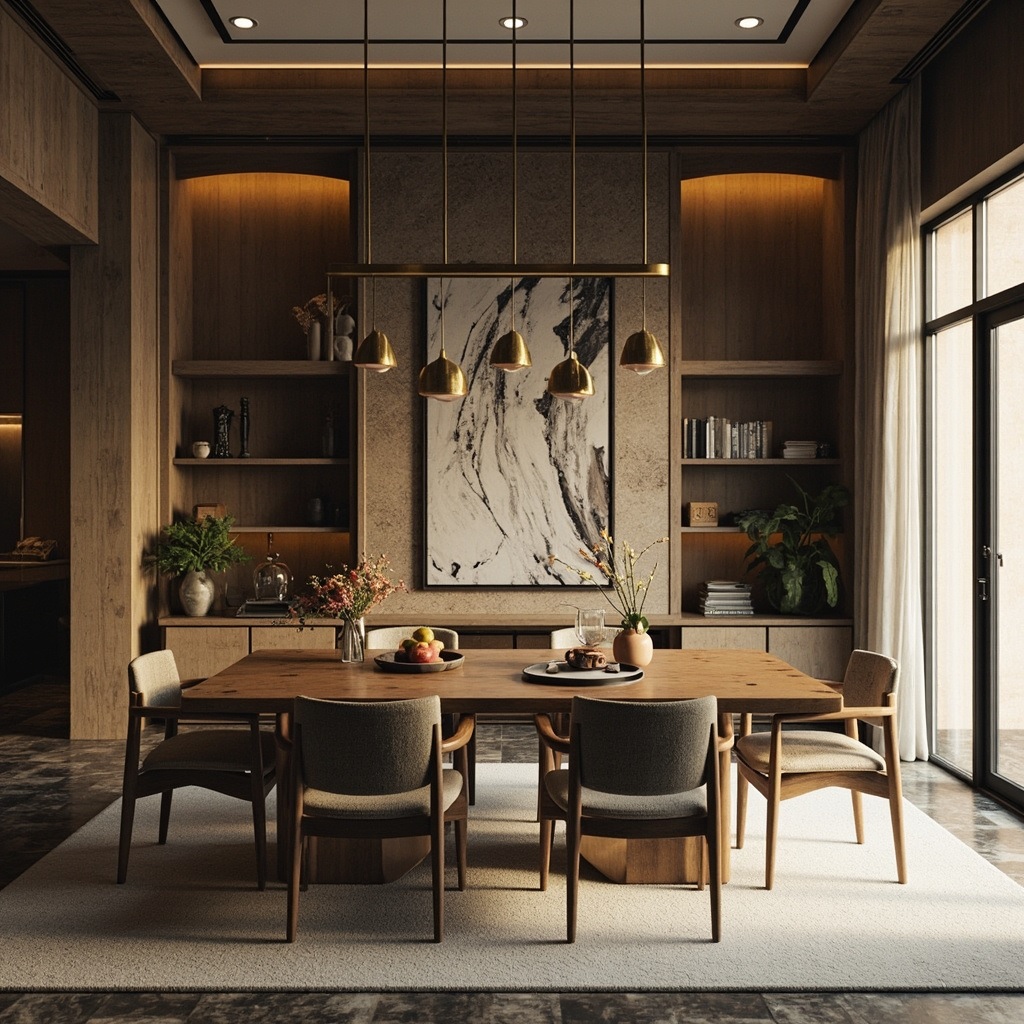
Office and Industrial Building Rental Solutions Designed For Success

Finding the right rental space is a key step toward achieving operational efficiency, business growth, and long-term stability. Modern office and industrial building rental solutions are designed to provide flexibility, convenience, and professional environments that support a wide range of business needs. Whether a company is expanding, relocating, or launching a new venture, selecting a well-planned rental property can create valuable opportunities for success.

Flexible Spaces for Growing Businesses

Rental properties offer adaptable layouts that can accommodate changing business requirements. This flexibility helps organizations remain productive while planning for future expansion.

Key Advantages

  • Adjustable floor plans for different operational needs
  • Efficient use of available space
  • Options for short-term and long-term occupancy
  • Professional settings that support daily activities
  • Easy scalability as business demands increase

Features That Improve Productivity

A well-designed office or industrial building contributes to smoother workflows and enhanced performance. Modern facilities are often equipped with practical features that help businesses operate efficiently.

Productivity-Enhancing Benefits

  • Bright and comfortable work environments
  • Well-organized storage and operational areas
  • Reliable utility infrastructure
  • Convenient loading and handling facilities
  • Comfortable spaces for employees and visitors
  • Efficient building management services

Strategic Value of Quality Rental Solutions

Choosing the right rental property can positively influence daily operations and future development. Businesses benefit from spaces that support both immediate goals and long-term objectives.

Business Growth Benefits

  • Improved operational efficiency
  • Better organization of resources
  • Enhanced professional image
  • Increased employee satisfaction
  • Greater flexibility for expansion plans
  • Opportunities for streamlined workflows

Modern Industrial Building Advantages

Industrial properties continue to evolve to meet the needs of businesses seeking efficient and dependable facilities. Many companies value properties that combine functionality with convenience.

Important Considerations

  • Spacious layouts for equipment and inventory
  • Easy access for transportation and logistics
  • Efficient workflow arrangements
  • Secure and well-maintained environments
  • Flexible configurations for various industries
  • Supportive infrastructure for future growth

Businesses exploring industrial property options often recognize how locations featuring 荔枝角工業大廈 can align with operational goals while providing practical space solutions that encourage efficiency and productivity.

Factors to Consider Before Renting

Evaluating a property carefully helps ensure the selected space meets current and future requirements.

Helpful Evaluation Points

  • Space utilization potential
  • Building condition and maintenance quality
  • Accessibility and convenience
  • Safety and security features
  • Adaptability for business growth
  • Operational efficiency opportunities

Conclusion

Office and industrial building rental solutions provide a strong foundation for business success. With flexible layouts, productivity-focused features, and growth-oriented environments, these properties help organizations operate efficiently and pursue new opportunities with confidence. Selecting a well-designed rental space can support long-term progress, improve daily operations, and contribute to sustainable business development.

Top Chinese Furniture Factories for Australian Design-Led Hotel Developments


Hotel FurnishingEvery architect knows the sinking feeling. You have the perfect lobby concept—clean lines, raw timber, a sculptural reception desk that anchors the entire space. Then the quote comes back from a local Australian workshop, and your budget evaporates. That is where the conversation about Chinese manufacturing gets interesting, not as a cheap fallback, but as a strategic partner for design-led projects that demand precision at scale.

Australian hotel developers are increasingly looking past the old stereotypes of mass-produced uniformity. The reality is that a specific tier of Chinese factories has evolved into sophisticated production houses capable of executing complex, design-forward specifications. They are not just cutting wood; they are interpreting architectural intent.

The primary advantage is material fluency. Many top-tier Chinese factories have invested heavily in advanced CNC routing, robotic sanding, and high-end finishing lines that rival European workshops. For an Australian project requiring, say, 400 identical yet ergonomically complex guest room desks with integrated cable management and a specific micro-bevel edge, these facilities offer consistency that a local artisan shop simply cannot match without tripling the timeline. The ability to source rare American white oak or European beech directly and process it in a climate-controlled environment means less warping and a tighter grain match across an entire development.

Cost efficiency is the obvious driver, but the real value lies in the reallocation of budget. By saving on the core casegoods and millwork, the design team can splurge on the hero pieces—the custom lobby chandelier, the hand-tufted wool rug, the curated art collection. This is the smart financial calculus of modern hotel development: use the factory for the backbone, and the artisan for the soul.

Logistics have also matured. Experienced Chinese factories now understand the Australian Standards for fire retardancy, formaldehyde emissions, and structural loading. They will pre-assemble, flat-pack with precision labeling, and manage the sea freight to Sydney or Melbourne. A good partner will even send a supervisor for the final installation to ensure the joinery aligns with the architectural drawings. This removes the nightmare of miscommunication and returns.

The key is due diligence. Look for factories that openly share their finishing samples and request a pre-production mock-up of a single room. The best ones will not hesitate. They understand that a design-led hotel in Surry Hills or Fitzroy demands the same level of scrutiny as a boutique property in Shanghai or Tokyo.

Companies that have built a track record through Australian design-led projects demonstrate what this level of manufacturing commitment yields in practice.

STL Hotel Furnishing is a hotel furniture manufacturing and FF&E supply company based in Foshan, China. Through years of involvement in hotel developments across South Korea, Japan-related procurement channels, and Australian design-driven projects, the company has developed practical expertise in customized hotel furniture production and project coordination. Supported by its own manufacturing facilities and an extensive furniture supply network in Lecong, STL is able to combine factory-level control with one-stop sourcing solutions for international hospitality projects.

For the Australian developer chasing a distinct, tactile experience without the crippling lead times and labor costs of domestic production, the modern Chinese furniture factory is not a compromise. It is a lever. It allows the vision to stay ambitious, the budget to stay grounded, and the guest to never know the difference—which is exactly the point.